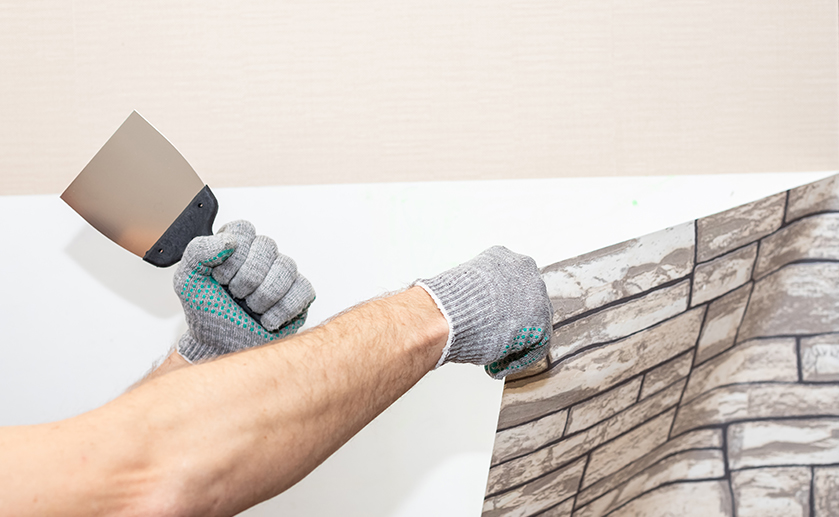
You’ve got the scraper in hand. You’ve watched the tutorials. You’ve even mixed up that DIY vinegar-and-water spray everyone swears by. But no matter how hard you peel, scrape, or plead, that wallpaper clings to your walls like a toddler to a candy jar. Frustrating? Absolutely. Your fault? Not even close.
Let’s talk about what’s really going on.
The Sticky Truth About Modern Wallpaper
Years ago, wallpaper was simpler. Adhesives were weaker, materials were lighter, and removal felt like pulling a bandage off a cardboard box. Today’s wallpaper? It’s built to last. And while that’s great for durability, it’s terrible for anyone trying to take it down. Here’s why:
Adhesives Have Evolved (And They’re Stronger Than Ever)
Modern glue isn’t your grandma’s paste. Many adhesives now resist moisture, heat, and time. They’re designed to hold through steam, humidity, and even the occasional splash. That means your spray bottle of water might not stand a chance.
Some Wallpapers Are Basically Armor
Vinyl, textured, or coated wallpapers aren’t just decorative—they’re fortresses. Their layers repel moisture, making it harder for any liquid to seep through and loosen the glue. If your wallpaper feels plasticky or thick, you’re not dealing with paper—you’re battling a shield.
Walls Aren’t Always Smooth Operators
Tiny cracks, old paint, or uneven drywall can trap adhesive. When walls aren’t perfectly flat, glue seeps into nooks and crannies, creating a grip that’s tough to break. Even the tiniest imperfection can turn a 10-minute project into a weekend war.
But wait – there’s more.
The Ghosts of Wallpaper Past
Here’s a twist you might not see coming: The previous owner’s choices could be haunting you. If that wallpaper was slapped over old layers or applied directly to unprimed walls, you’re not just removing one layer – you’re undoing years of DIY decisions.
Imagine trying to unzip a jacket that’s been sewn shut. That’s what happens when wallpaper is layered without proper prep. Each pasted sheet bonds not just to the wall but to the history beneath it.
The Silent Saboteurs You’d Never Guess
Let’s dig deeper. Sometimes, the room itself works against you. Humidity levels, room temperature, and even the age of the building can change how adhesive behaves. For instance:
Humidity Can Play Tricks
High moisture in the air can reactivate old glue, making it sticky again. If you’re working in a damp room, the wallpaper might cling tighter as you peel. On the flip side, dry air can make adhesive brittle, causing it to crumble instead of release.
Cold Walls vs. Warm Rooms
If your walls are cold (think basements or poorly insulated rooms), adhesives harden like cement. Warming the room with a space heater for an hour before starting can soften the glue, giving you a fighting chance.
What You Can Do About It
Now that you know the real culprits, let’s shift from “why” to “how.” While there’s no magic wand, there are ways to make progress:
Test a Small Area First
Find a hidden corner and gently scrape. If the paper tears into tiny pieces, you’re likely dealing with a non-woven or vinyl material. If it peels off in sheets, you’ve got a smoother path.
Steam Isn’t Just for Tea
A handheld steamer can soften stubborn glue. Hold it close (but not too close) to the wallpaper, let the heat work for 20-30 seconds, then gently scrape. Patience is key—rushing this step risks damaging the wall.
Score Strategically
Use a wallpaper scoring tool to create tiny holes in the surface. This lets your spray or steam penetrate the layers. Just avoid pressing too hard—you’re not carving a pumpkin.
When to Call for Backup
If the wallpaper still won’t budge, it’s okay to pause. Some adhesives require solvents or specialized tools. There’s no shame in consulting a pro for advice—or handing over the scraper entirely.
The Hidden Role of Time
Here’s something nobody tells you: The longer wallpaper stays up, the harder it is to remove. Adhesives cure and harden over years, almost fusing with the wall. If your wallpaper has been up for a decade, it’s not just stuck – it’s settled in.
Think of it like tree roots growing around rocks. The adhesive bonds deepen, making removal a slow, careful process. This isn’t a flaw in your technique – it’s basic chemistry.
Your Walls Aren’t Against You
It’s easy to feel like your home is conspiring against you. But the truth is, wallpaper removal isn’t a test of skill – it’s a puzzle. The materials, the history of your walls, and even the room’s humidity all play a part.
Remember:
You’re not “bad at DIY” because the wallpaper resists.
Older homes often have hidden surprises in their walls.
Every scrape brings you closer to a fresh start.
The Takeaway
Wallpaper sticks around for reasons that have nothing to do with your effort or ability. Modern adhesives are stronger, materials are tougher, and walls have their own secrets. Instead of blaming yourself, arm yourself with knowledge. Test methods, adjust your approach, and celebrate small wins.
And if all else fails? Take a breath. That wallpaper might win the battle, but with the right insights, you’ll win the war.
Final Note
Your walls are a canvas of the past. Removing wallpaper isn’t just about change – it’s about respecting the layers of history while making space for your own story. Now that you know the why, the how gets a little lighter.